Bosong Zhang

Geophysical Research Letters (2026)

The Influence of Tropopause Temperature Biases on Climate Model Simulations of Tropical Cyclones

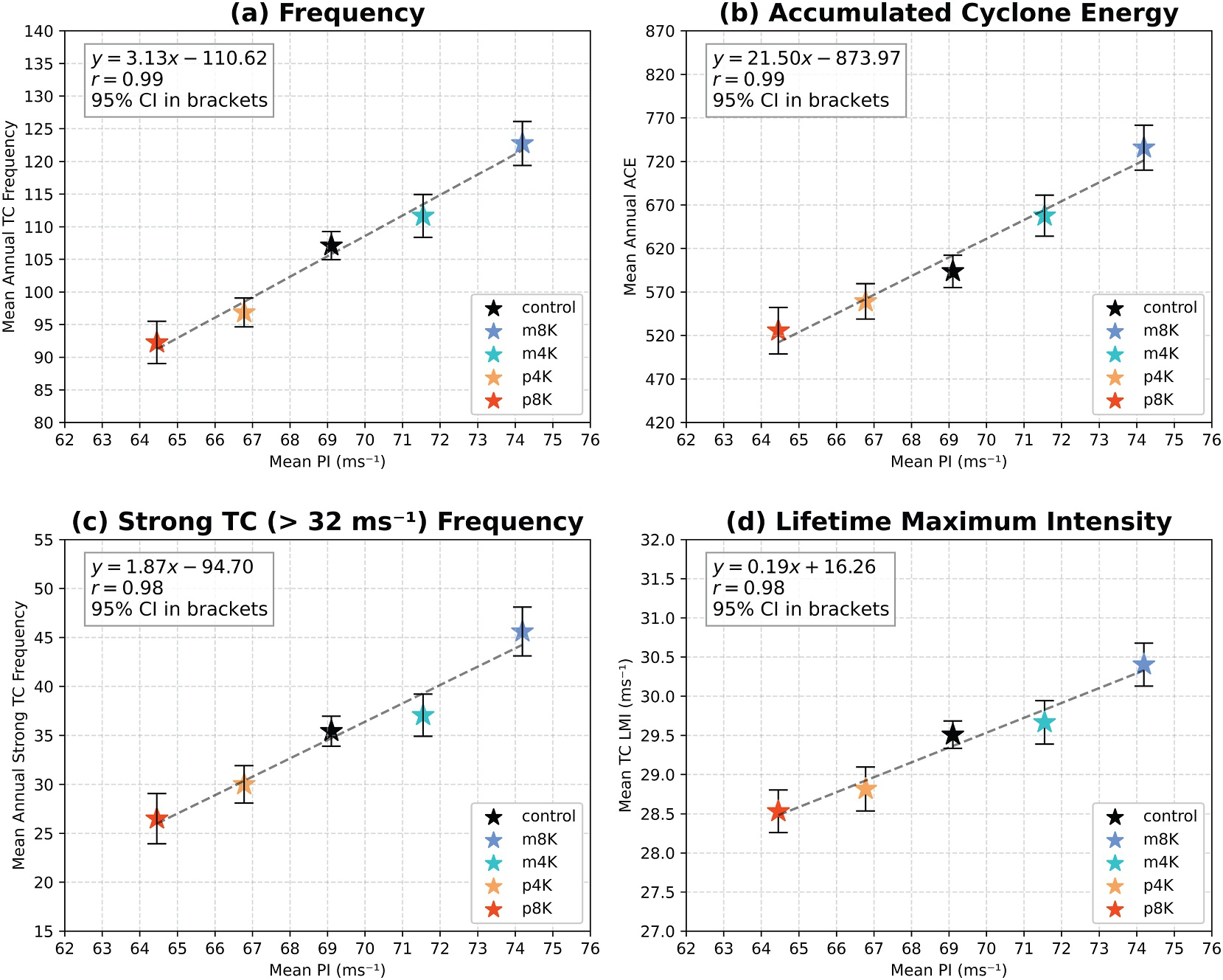
Idealized profile perturbations demonstrate that upper-atmosphere temperature biases shift outflow temperature, alter PI, and strongly affect simulated TC frequency and ACE.

Potential Intensity Upper-Atmosphere Biases TC Frequency and ACE

~35%

Global TC frequency and ACE shifts in perturbation experiments

~80%

Change in hurricane frequency linked to upper-atmosphere thermal biases

PI Spread

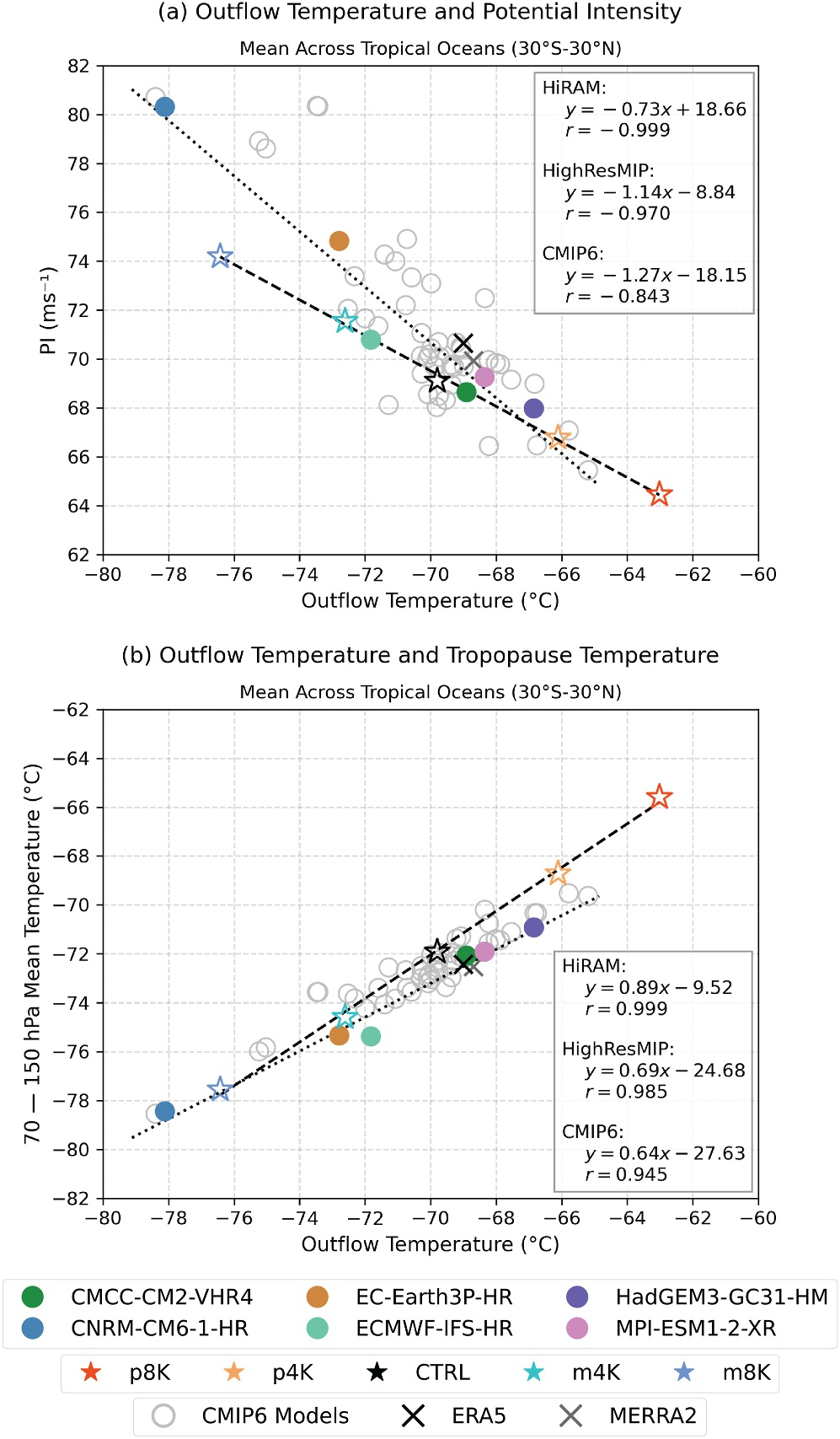
Potential-intensity spread is strongly tied to 70-150 hPa thermal structure

Paper Citation

Mahoney, A. D., B. J. Soden, B. Zhang, et al., 2026: The Influence of Tropopause Temperature Biases on Climate Model Simulations of Tropical Cyclones. Geophysical Research Letters. https://doi.org/10.1029/2025GL120545

Scientific Logic

  • Question: How do upper-atmospheric temperature biases alter potential intensity and simulated tropical cyclone climatology?
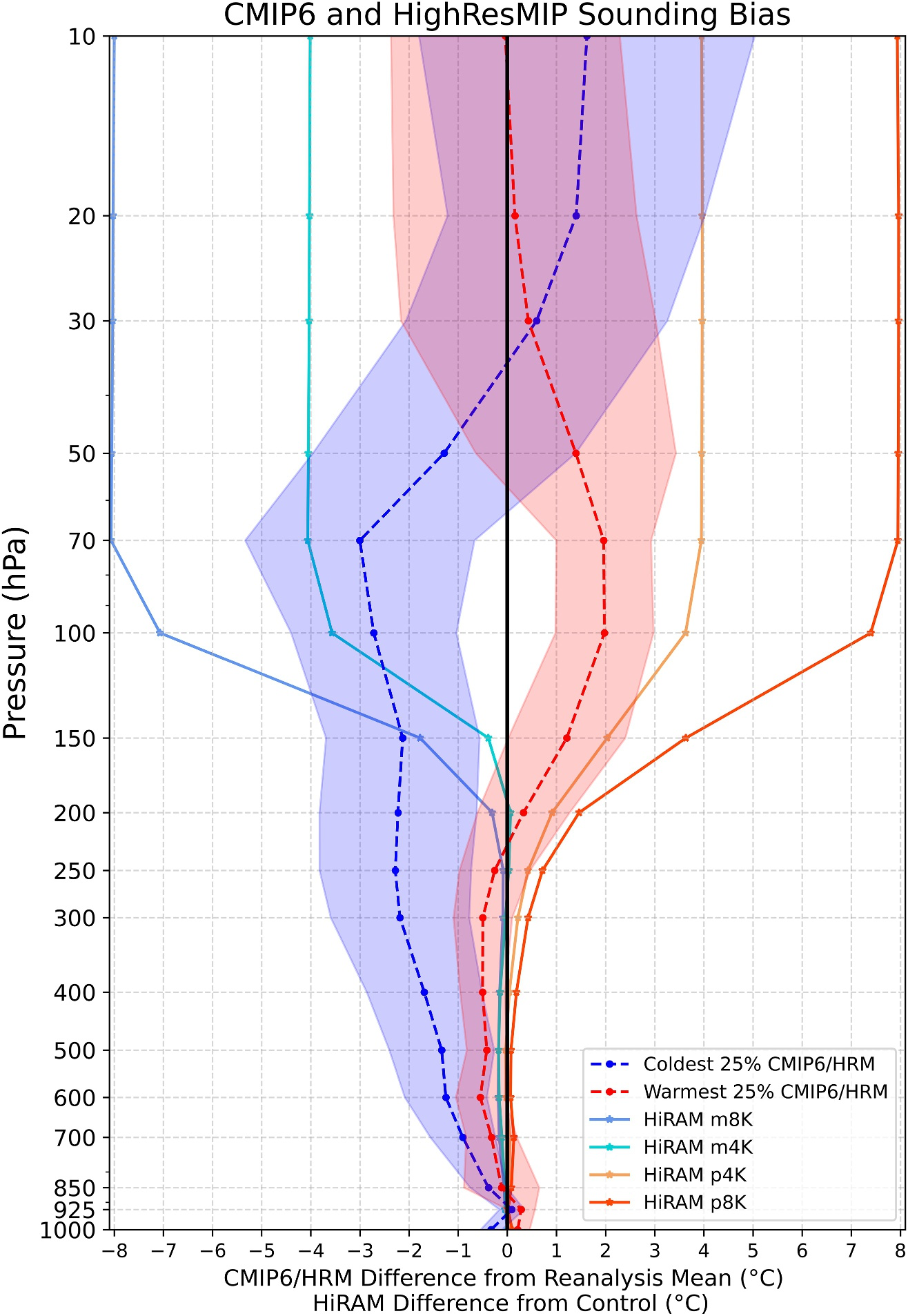
  • Method: Idealized temperature-profile perturbation experiments diagnosing PI and TC-statistic responses to tropopause/lower-stratosphere bias adjustments.
  • Mechanism: Outflow temperature changes directly shift PI and thereby reshape frequency and intensity distributions of storms.
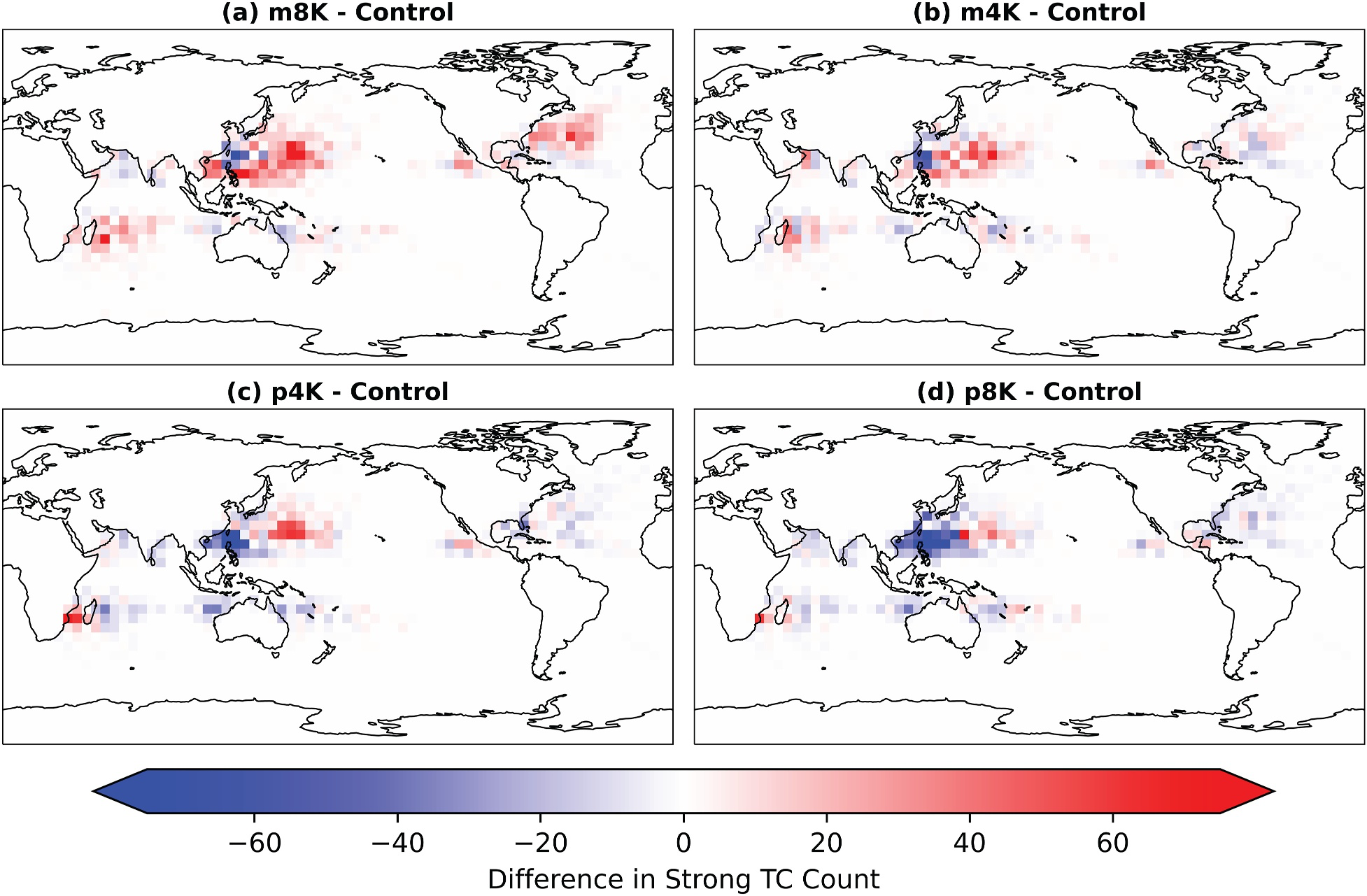
  • Main Findings: Realistic upper-atmosphere bias corrections produce large changes in TC frequency and ACE, with smaller but significant impacts on lifetime-intensity statistics.

Scientific Question

How much of the intermodel spread in tropical cyclone potential intensity and activity can be explained by biases in tropopause and lower-stratospheric temperatures under the same SST forcing?

Experimental Design

  • Cross-model analysis of CMIP6 and HighResMIP simulations.
  • Idealized HiRAM experiments with modified upper-atmospheric temperature profiles.
  • Diagnostics of potential intensity, TC frequency, ACE, and strong-storm statistics.

Key Findings

  • Intermodel PI spread is largely explained by differences in outflow temperature linked to upper-level thermal bias.
  • Correcting tropopause/lower-stratosphere bias produces large changes in TC frequency and accumulated cyclone energy.
  • Upper-atmosphere fidelity is a high-leverage constraint for credible TC-climate projections.

Figures from the Study

Extracted from Mahoney et al. (2026), https://doi.org/10.1029/2025GL120545.