Radiation-Convection Interactions in Tropical Cyclones
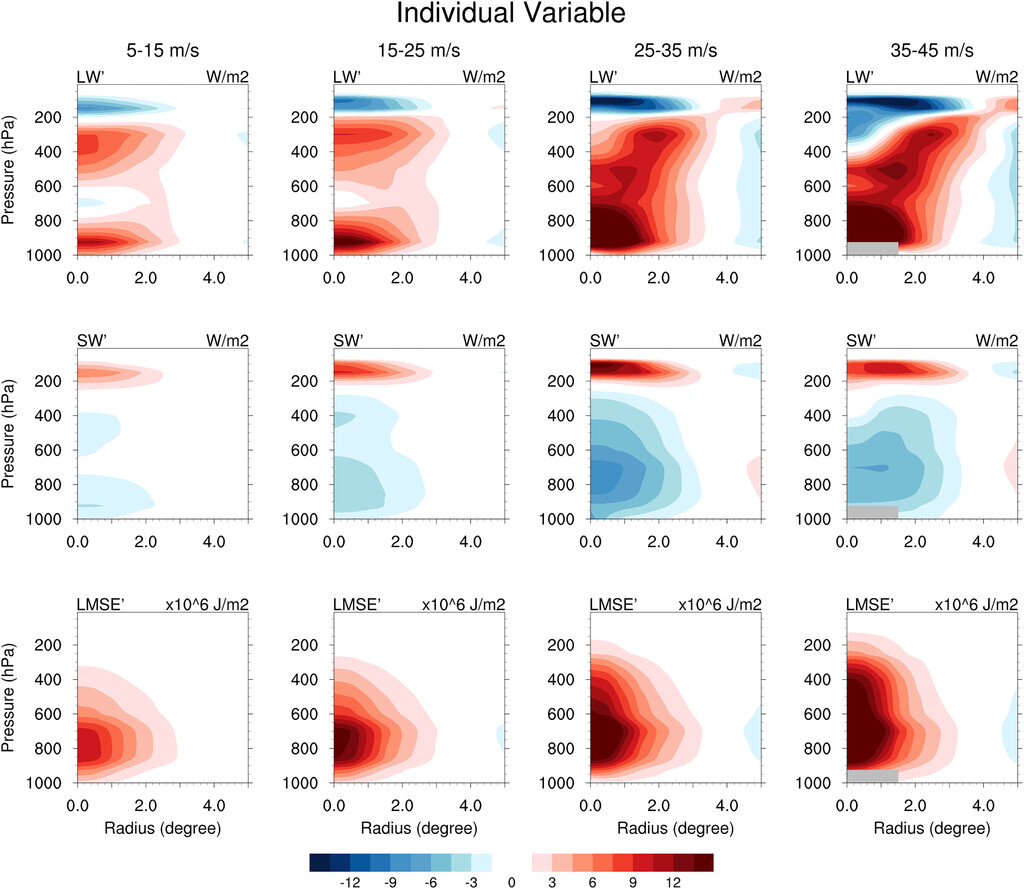
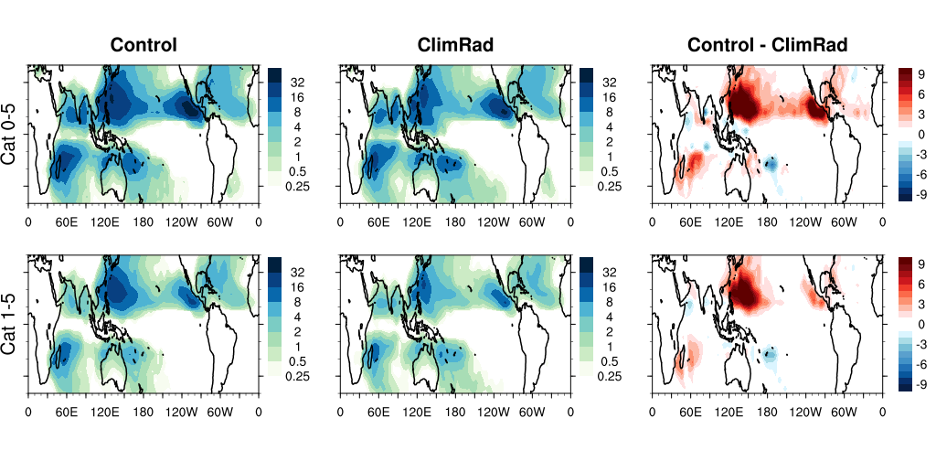
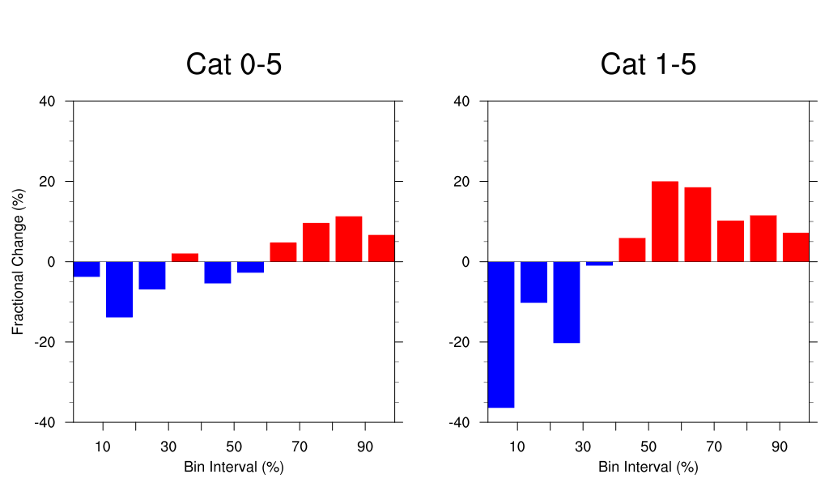
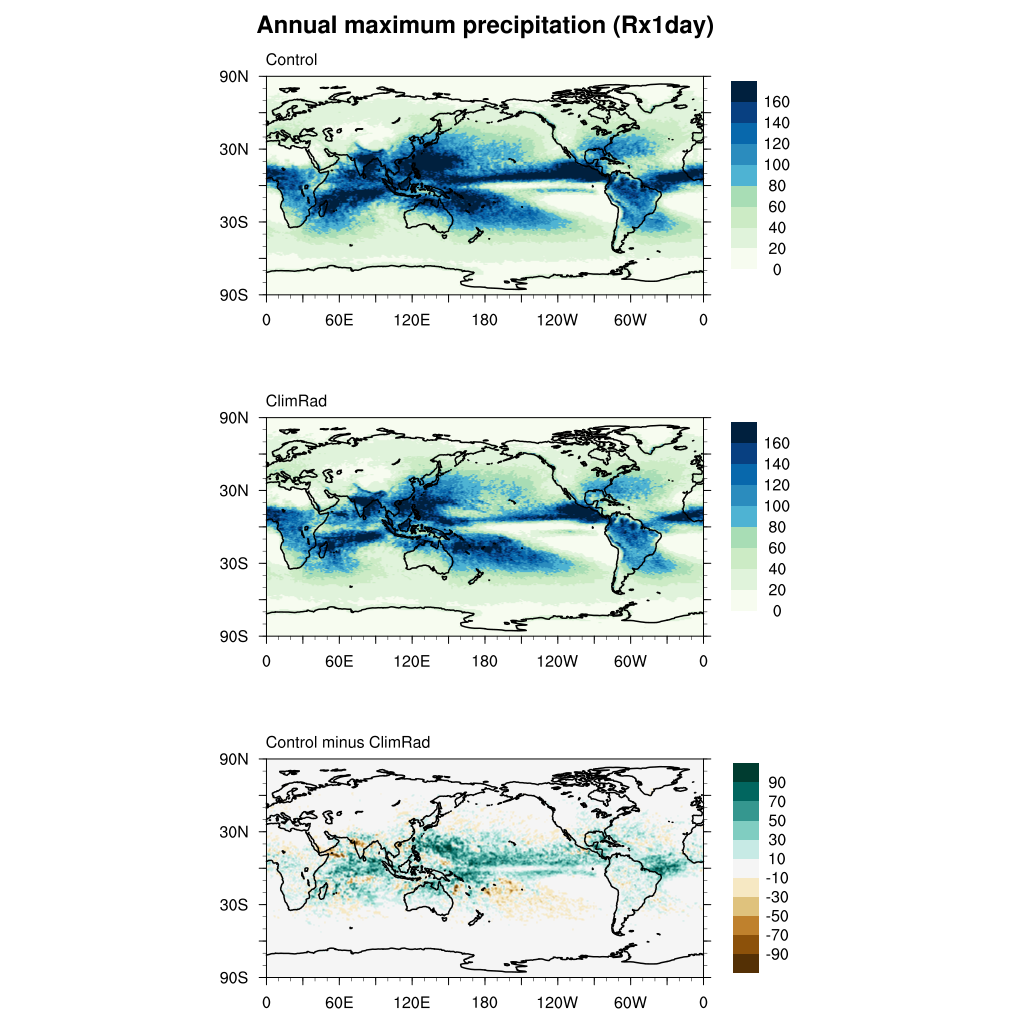
Overview: Using a global, TC-permitting GCM, the study shows that suppressing synoptic-scale radiative interactions sharply reduces global TC frequency by limiting the number of pre-TC disturbances, though the reduction weakens in a warmer climate as latent heating plays a larger role than radiative interactions. In addition, TC genesis shifts closer to coastal regions and storms become shorter-lived. A vertically resolved moist static energy variance budget further reveals that both the strength and vertical placement of radiative interactions influence TC activity. Mechanism-denial experiments show that suppressing radiative interactions in either the boundary layer or free troposphere lowers TC frequency, with the response depending on storm structure. High-frequency diagnostics highlight distinct vertical and horizontal advection patterns tied to deep convection. Together, the results underscore the critical role of vertically distributed radiative interactions in regulating TC frequency and development.